



Storm Damage Roof Huntsville: What to Do After a Major Storm
If you suspect a storm damage roof situation in Huntsville, the clock is already running. This guide covers how to inspect for hail and wind damage, what to photograph before your adjuster arrives, and when to call a licensed contractor. For North Alabama homeowners dealing with frequent severe weather, knowing these steps can save you thousands.
Huntsville sits in one of the most storm-active corridors in the country. Hail, straight-line winds, and fast-moving supercells are a regular part of life here, and your roof takes the hit every single time.
Why a Storm Damage Roof in Huntsville Looks Different Than You Expect
Most homeowners assume they would know if they had a storm damage roof situation. In reality, the worst damage is often invisible from the street. The UAH Atmospheric Science program has documented that North Alabama experiences high-intensity supercell activity, producing hail and wind speeds that cause damage patterns that only show up on a close inspection.
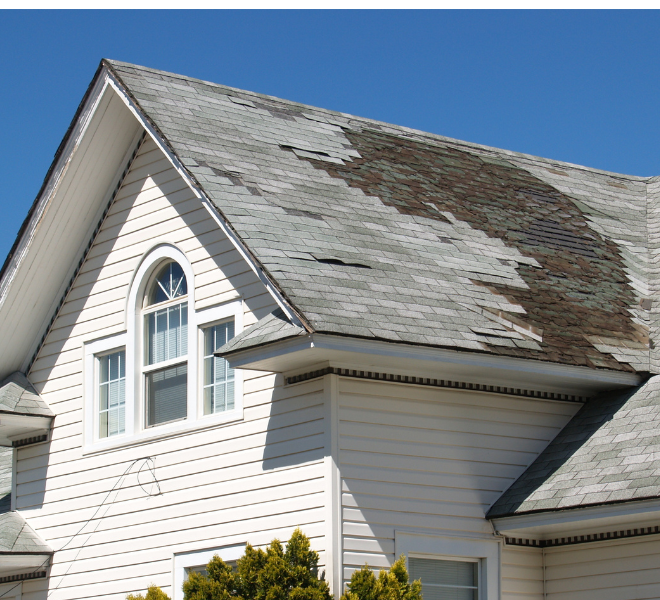
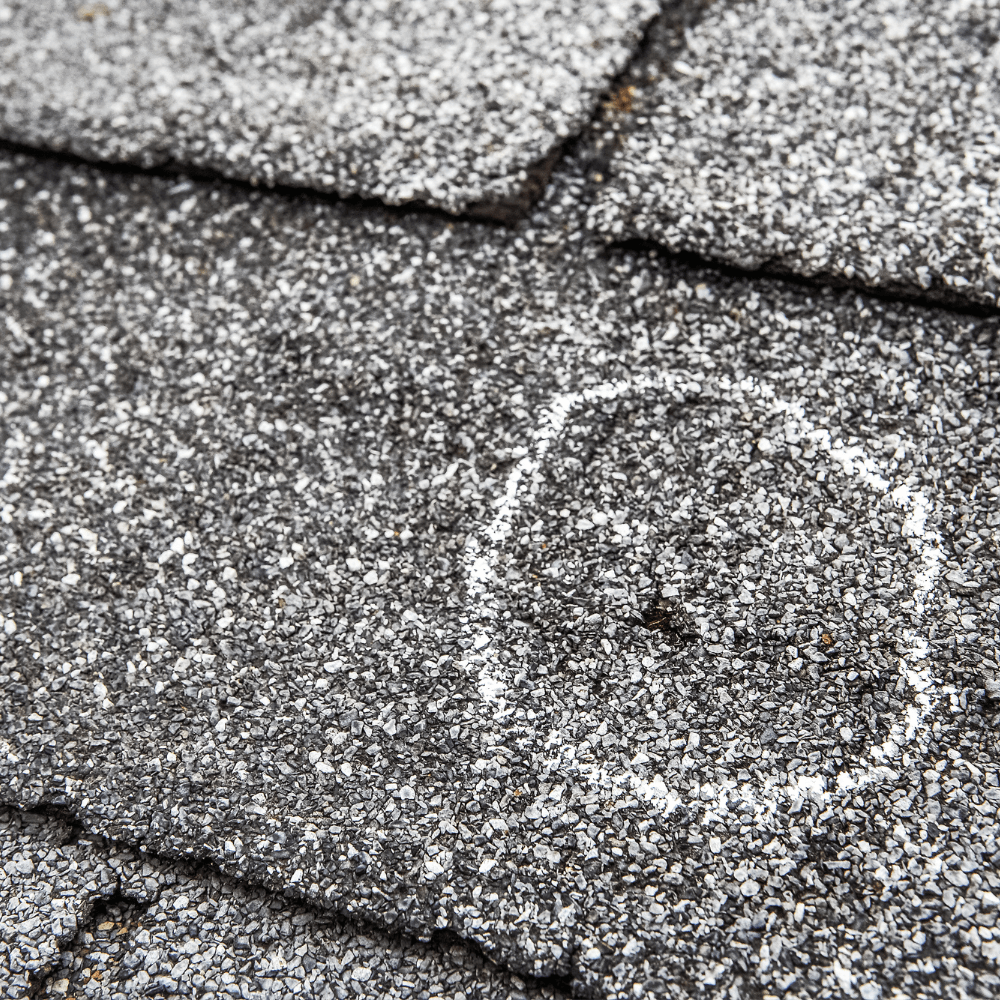
Larger hailstones leave circular bruising on shingles that feels soft underfoot, like pressing a bruise on fruit. Straight-line winds lift shingle tabs, break factory seals, and leave gaps that look fine until rain finds them. Your storm damage roof in Huntsville may look intact from the driveway and still need a full replacement.
How to Inspect for Storm Damage Roof Issues After a Huntsville Storm
Start From the Ground
Walk the full perimeter of your property before you touch a ladder. Look for:
- Granules collecting in gutters or at downspout exits
- Shingles that have curled, creased, or shifted out of line
- Gutters that are dented or pulled away from the fascia
- Dimpling on soft metals like your AC cap, ridge vents, or flashing
Hail hits metal first. Dented gutters almost always mean your shingles took hits too.
Check the Attic
Go into the attic during daylight. If you see light punching through the deck, water infiltration has already started. Look for fresh moisture staining on the rafters or sheathing. New stains have a wet ring; older ones are flat and dark brown.
Walk the Roof
If you have proper footwear and feel safe doing it, get on the roof. Signs of a storm damage roof on asphalt shingles include bruising below the surface granules, exposed black substrate where granules have been knocked clean, and cracked or broken tabs on older 3-tab material.
Storm Damage Roof Patterns by Material Type
| Material | Hail Damage Signs | Wind Damage Signs |
|---|---|---|
| 3-tab asphalt shingles | Circular granule loss, cracking | Lifted tabs, broken seals |
| Architectural shingles | Bruising, granule displacement | Delamination, edge lifting |
| Metal roofing | Dimpling, paint cracking | Panel separation, fastener pull |
| Flat/TPO membrane | Impact punctures, cracking | Seam separation, lifting |
Architectural shingles are the dominant material across Huntsville and Madison. They hold up better than 3-tab under hail, but a significant storm can still produce a qualifying insurance claim, especially on roofs over ten years old.
Documenting Your Storm Damage Roof Before the Adjuster Arrives
Your insurance company will want dated, specific documentation. Start a photo folder the same day the storm passes through. Include:
- Time-stamped photos of all exterior damage at ground level
- Close-ups of granule loss, bruising, and lifted shingle edges
- Photos of soft metal damage on vents, gutters, and flashing
- A written note of the storm date and any National Weather Service alerts for your area
The Encyclopedia of Alabama’s climate section notes that storm intensity across Alabama can vary significantly even within a few miles, shaped by Gulf moisture and jet stream patterns. Document your property specifically. What hit your house may not match what hit the property next door.

When to Call for Storm Damage Roof Repair in Huntsville AL
If your roof is actively leaking or large sections of shingles are missing, you need a contractor the same day. A licensed roofer can tarp the compromised area within 24 to 48 hours, which stops water from reaching your insulation, sheathing, and interior finishes.
For storm damage roof repair in Huntsville AL, getting on a contractor’s schedule fast matters. After a major regional storm, crews book out quickly. Document everything first, then call before your adjuster visit so a qualified contractor can be present during the inspection.
Hail Damage Roof Repair in North Alabama: What the Insurance Process Looks Like
What Triggers a Full Replacement
Not every hail damage roof repair in AL results in full replacement. The threshold depends on the percentage of affected area and the remaining material life. A roof that is 15 years old and has taken widespread hail hits will almost always qualify for replacement under a standard homeowner policy.
You are entitled to have your contractor present during the adjuster walk. Do not skip that step. Adjusters can miss soft metal damage and subtle bruising that an experienced roofer will catch.
Alabama roofing building codes require replacement materials to meet wind resistance ratings for the local zone. When your contractor specifies replacement shingles, those ratings matter for your next storm too.
Wind Storm Roofing in Huntsville: The Damage You Miss
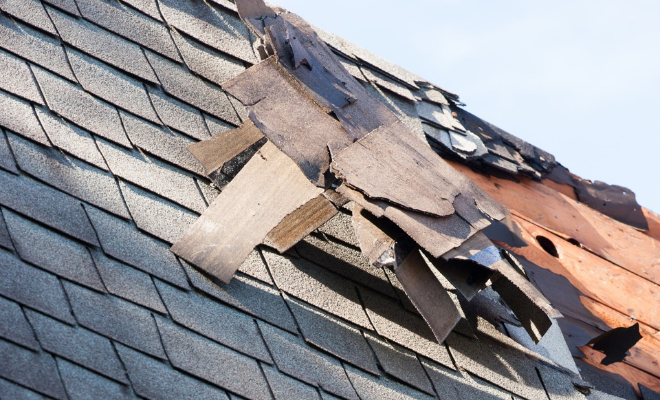
Straight-line winds above 60 mph can pull shingle seals loose on material that was installed correctly and is still within its rated life. The tab creases slightly, the seal breaks, and from the street it looks fine until water finds the gap three weeks later.
Wind storm roofing in Huntsville means inspecting after every significant thunderstorm, not just named events. A contractor can re-seal lifted tabs when caught early. Once water cycles through that gap repeatedly, the decking can delaminate and the repair scope jumps significantly.
Post-Storm Checklist for Huntsville Homeowners
Follow this sequence within 72 hours of any significant storm:
- Walk the perimeter and photograph all visible exterior damage
- Check gutters and downspouts for granule buildup
- Inspect the attic for daylight or new moisture staining
- Review your policy for your deductible and coverage type (ACV vs. replacement cost)
- Call a licensed storm roofer in Huntsville for a professional inspection
- File your claim with full documentation before repairs begin
For a broader look at what can go wrong beyond storm events, the Advanced Alabama common roof repair guide is worth reading.
Storm Restoration in Madison and the Greater Huntsville Area
Storm restoration in Madison and surrounding communities follows the same insurance and code requirements as Huntsville proper. The difference is response time. Crews stretch thin fast after a regional event, so getting on the schedule early is the single best move you can make.
Roof storm damage in Decatur follows similar patterns to Huntsville because both cities sit in the same storm corridor. A supercell that moves through Huntsville in the early evening will typically reach Decatur within the hour.
Frequently Asked Questions
Granule buildup in gutters and dented soft metals are the most reliable ground-level signs. A storm damage roof in Huntsville can look intact from the driveway and still have widespread bruising and broken seals. Get a contractor on it after any storm with reported hail above three-quarters of an inch.
Not always. If damage is isolated and the roof is under ten years old, a repair may cover it. But widespread granule loss or bruising on aging shingles almost always clears the threshold for a full insurance claim.
Most policies allow one to two years from the storm date, but filing early makes documentation cleaner and reduces disputes. Some carriers push back on older claims.
Storm restoration in Madison involves insurance coordination, adjuster documentation, and code-compliant material replacement. A standard repair is typically a smaller cash-pay scope without the insurance process.
Yes. Wind storm roofing damage in Huntsville is common after severe thunderstorms that never produce a tornado. Any sustained wind above 50 mph can compromise shingle seals and start a slow leak.