

Attic Insulation and Roof Ventilation Huntsville: How Your Attic Affects Roof Life in North Alabama
If you own a home in North Alabama, the condition of your attic has a direct impact on how long your roof lasts, how high your energy bills run, and how much moisture damage you deal with over time. Attic insulation and roof ventilation in Huntsville work as a system, and when either one fails, your roof pays the price.
Most homeowners in the Huntsville area do not think about what is happening above their ceiling until something goes wrong. By that point, shingles are aging faster than they should, utility costs are climbing, and mold may already be forming in places you cannot see.
Why Attic Conditions Matter So Much in North Alabama
North Alabama sits in a climate zone that puts real stress on homes. Huntsville sees hot, humid summers with temperatures that regularly push past 90 degrees, followed by winters that bring ice storms and hard freezes. That swing between extremes is hard on building materials, and your attic is where that stress shows up first.
During summer, an attic without proper ventilation can reach 150 degrees or higher. That heat transfers into your living space and forces your air conditioner to work harder. It also cooks your shingles from the inside out, cutting years off their rated lifespan. In winter, warm air from inside your home rises into the attic and meets cold roof decking. Without the right insulation barrier and airflow, that moisture condenses and soaks into wood framing and decking.
The U.S. Department of Energy explains that proper attic insulation is one of the highest-return upgrades a homeowner can make, reducing heat loss and gain significantly depending on the climate zone.
Signs of Poor Attic Ventilation in Huntsville and Decatur Homes
A lot of homeowners ask what they should be looking for before calling a contractor. Here are the most common warning signs that your attic is not ventilated properly.
- Ice damming along roof edges after a freeze, which is caused by uneven heat escaping through the roof
- Higher-than-normal utility bills that do not match your thermostat settings
- Shingles that are curling, blistering, or losing granules before their time
- Visible moisture stains or mold growth in the attic space
- A hot second floor even when the AC is running at full capacity
- Musty smells in upstairs rooms, especially after rain
If you are seeing two or more of these signs, the issue is almost always a combination of insufficient insulation and blocked or undersized vents. Both problems feed each other.
How Roof Ventilation Works and Why It Fails
The Intake and Exhaust System
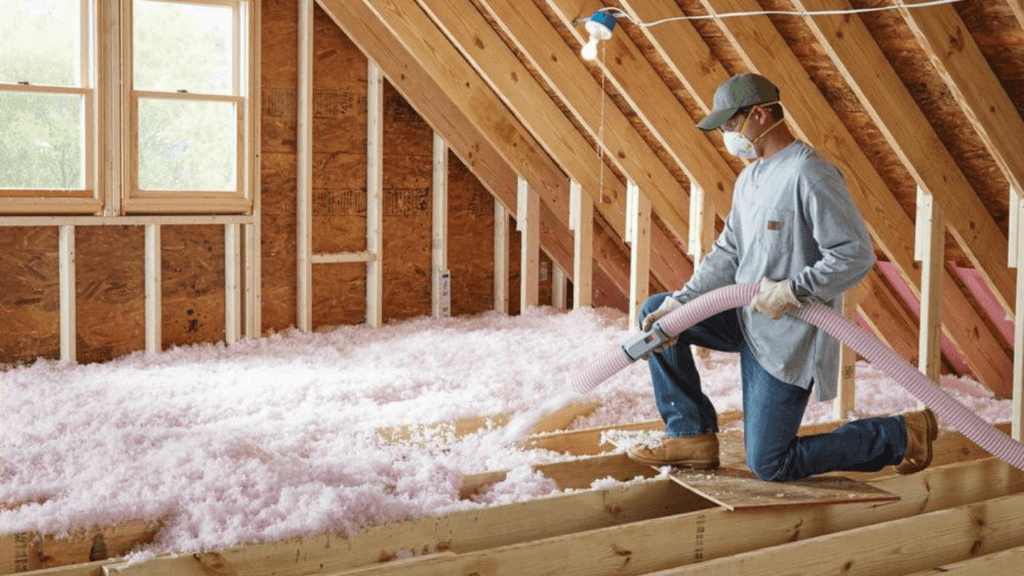
A properly working ventilation system pulls outside air in through soffit vents at the bottom of the roofline and pushes hot, moist air out through ridge vents or box vents at the peak. Our roof ventilation repair guide covers the most common failure points in North Alabama homes, including blocked soffits from poor insulation placement and inadequate exhaust vent sizing.
In older homes around Huntsville and Decatur, a frequent problem is that blown-in insulation has been installed right up against the soffit vents, blocking airflow at the intake. No matter how many ridge vents you have, if the air cannot get in, the system does not work.
Common Failures That Drive Roof Condensation Problems
Roof condensation problems in North Alabama are especially common in ranch-style homes with low attic profiles and limited ridge length. When warm, humid air gets trapped in a tight attic space with no clear exhaust path, that moisture settles on every cold surface it touches. Decking rots, rafters soften, and the roofing system above starts to fail from underneath.
The EPA’s guide on mold, moisture, and your home makes clear that controlling indoor moisture is the first line of defense against mold growth, and the attic is one of the most vulnerable spaces in any home.
The Role of Attic Insulation in Roof Life and Energy Efficiency
Knowing where to insulate in your home matters as much as the type of insulation you use. In a North Alabama home, the attic floor is the critical barrier between your conditioned living space and the uncontrolled attic environment above.
When that barrier is thin or damaged, heat moves freely in both directions. In summer, outdoor heat floods into your living space. In winter, your heating dollars escape upward and warm the roof deck. That is the condition that causes ice damming and drives up condensation.
A proper attic insulation upgrade in Madison AL or anywhere across the Huntsville metro typically involves bringing the R-value up to at least R-38, which is what most energy codes in this climate zone require. Spray foam, blown-in fiberglass, and blown-in cellulose are all common choices, and the right one depends on the age and construction of your home.

Attic Insulation R-Value Guide for North Alabama
| Insulation Type | Recommended R-Value | Best Use Case |
|---|---|---|
| Blown-In Fiberglass | R-38 to R-60 | Existing homes with open attic floors |
| Blown-In Cellulose | R-38 to R-60 | Budget-conscious upgrades, eco-friendly option |
| Open-Cell Spray Foam | R-13 per inch | Conditioned attic spaces, cathedral ceilings |
| Closed-Cell Spray Foam | R-6 to R-7 per inch | Moisture barriers, slim attic profiles |
How to Reduce Energy Bills With Better Roof Ventilation in Alabama
When we complete an attic insulation upgrade and ventilation correction together, homeowners typically see noticeable drops in summer cooling costs. The attic is no longer acting as a heat sponge baking your living space from above, and your HVAC system does not have to compensate for that constant heat load.
For homes in Madison AL, Athens, and across the Huntsville metro, reducing energy bills with better roof ventilation in Alabama starts with a proper attic assessment. We look at the current insulation depth and coverage, the net free area of the soffit and ridge vents, any air sealing gaps where conditioned air is leaking into the attic, and whether the existing setup meets the 1:150 ventilation ratio that most codes require. You can learn more about how we approach ventilation corrections on our site.
Conclusion: Protect Your Roof From the Attic Up
Your roof does not fail from the outside alone. In North Alabama’s climate, a significant portion of premature shingle aging, condensation damage, and high energy costs trace back to what is happening in the attic. Getting the insulation and ventilation right is one of the smartest moves a homeowner can make for long-term protection.
If you have noticed any of the warning signs mentioned in this article, contact Advanced Alabama Roofing for an attic and ventilation assessment. We serve Huntsville, Madison, Decatur, Athens, and the surrounding communities across North Alabama.
Frequently Asked Questions
Poor attic insulation and roof ventilation in Huntsville allow heat to build up under the roof deck, which bakes shingles from below and accelerates granule loss, curling, and cracking. A well-insulated and ventilated attic keeps deck temperatures lower and extends shingle life by several years.
Common signs include high energy bills, hot upper floors during summer, blistering or curling shingles, moisture stains in the attic, and ice damming along the roofline in winter. If two or more of these apply to your home, an attic assessment is a good next step.
Yes. Reducing energy bills with better roof ventilation in Alabama is well documented. When attic temperatures drop due to proper airflow, your cooling system runs less, and many homeowners see meaningful savings within the first full summer after an upgrade.
Roof condensation problems in North Alabama typically stem from warm, humid indoor air rising into a poorly insulated attic and meeting cold roof decking. Without enough ventilation to exhaust that moisture, it collects on wood surfaces, leading to rot and mold over time.
Most homes in the Huntsville metro need attic insulation at R-38 to R-60 depending on the existing coverage and construction type. An attic insulation upgrade in Madison AL should include an assessment of current depth, vapor management, and air sealing before new material is added.