
At Advanced Roofing & Construction, we have what it takes to handle your commercial roofing job. Whether you need a roof renovation or emergency roof repairs in a timely manner, we can get on the scene and handle all of your roofing needs.
Contact us to get a free commercial roofing estimate on a roof repair, roof replacement or roof coating if your business is in:
- Madison, AL
- Huntsville, AL
- Meridianville, AL,
- Owens Cross Roads, AL
- Hazel Green, AL
- New Market, AL
- Harvest AL, and more.
Don’t let a roofing issue bring down your business. Call our office at 256-603-9171 to schedule your initial appointment.
Commercial Shingle Roofs:
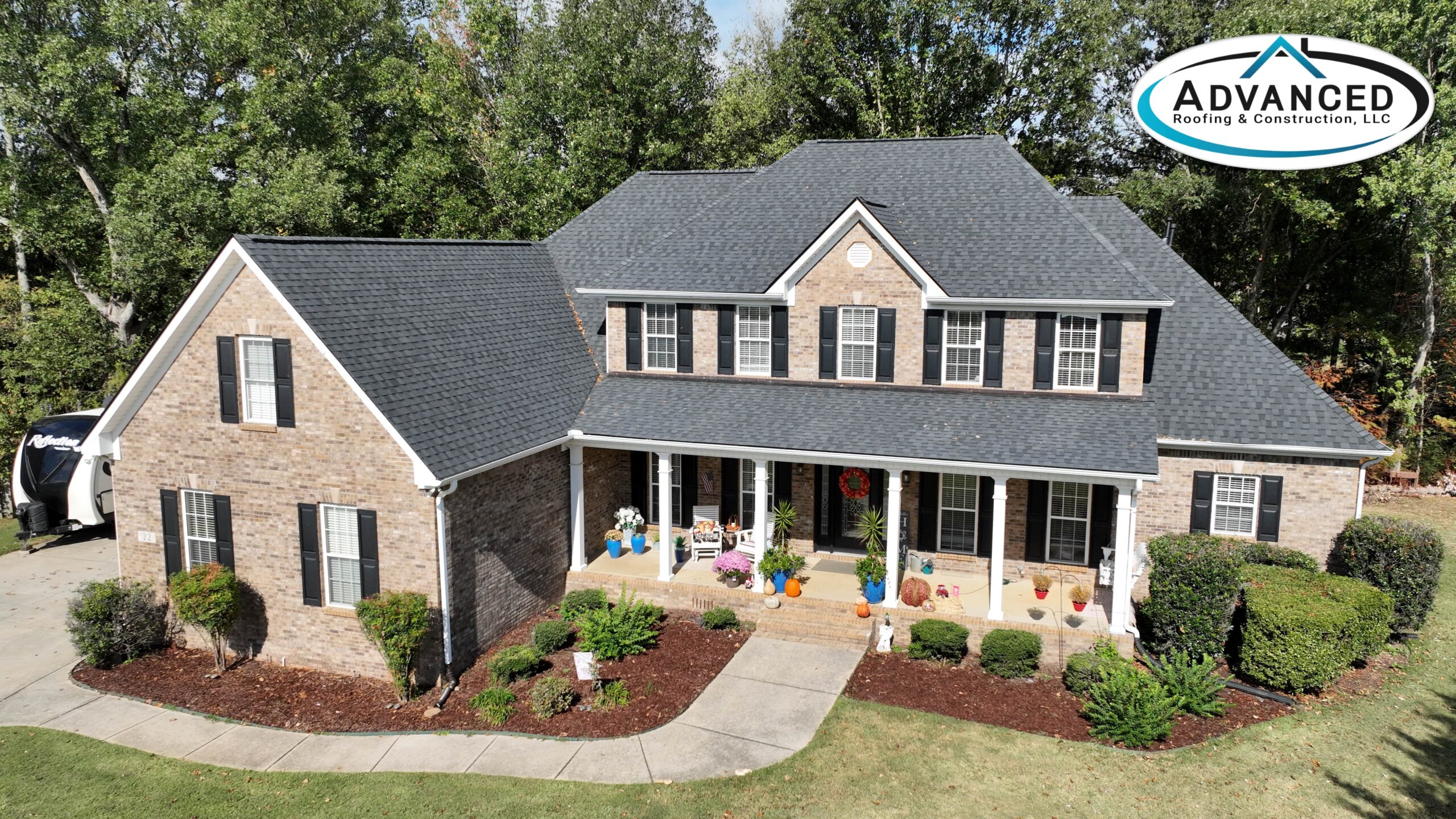
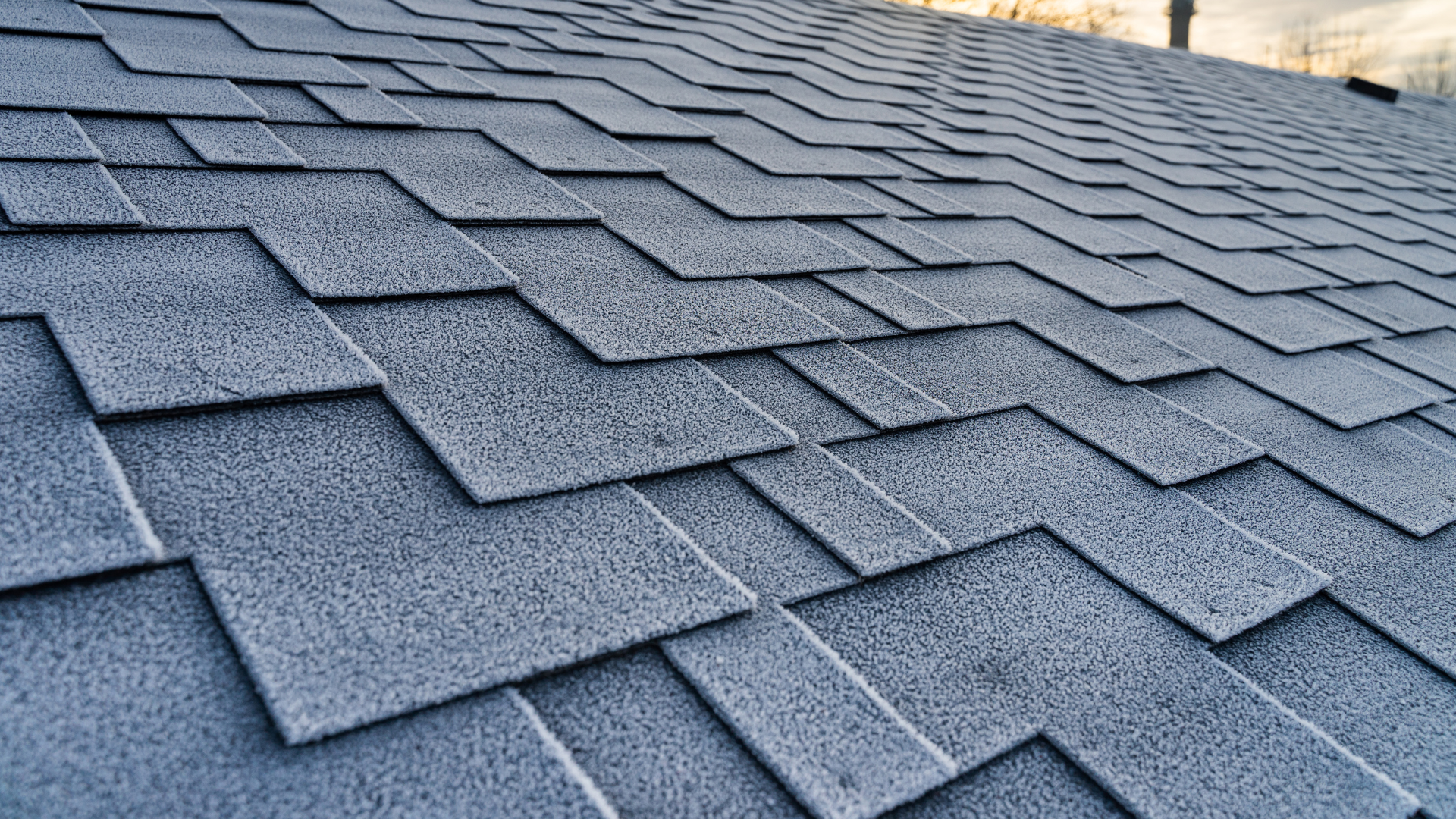
The shingles that we use on residential buildings are typically the same shingles that we would use on a commercial roof. This means that you’ll be able to take your pick among the large selection of shingles that we offer when you’re deciding which one would be right for your business.
The kind of shingle that will be right for your commercial building
will depend on the kind of business you’re running. If this building is going to be somewhere that customers come in and out of frequently, then you’re going to want it to look as nice as possible. Regardless of which kind of shingle you decide to go for, you can be sure that they’ll be installed properly.
Commercial Roof Coatings:
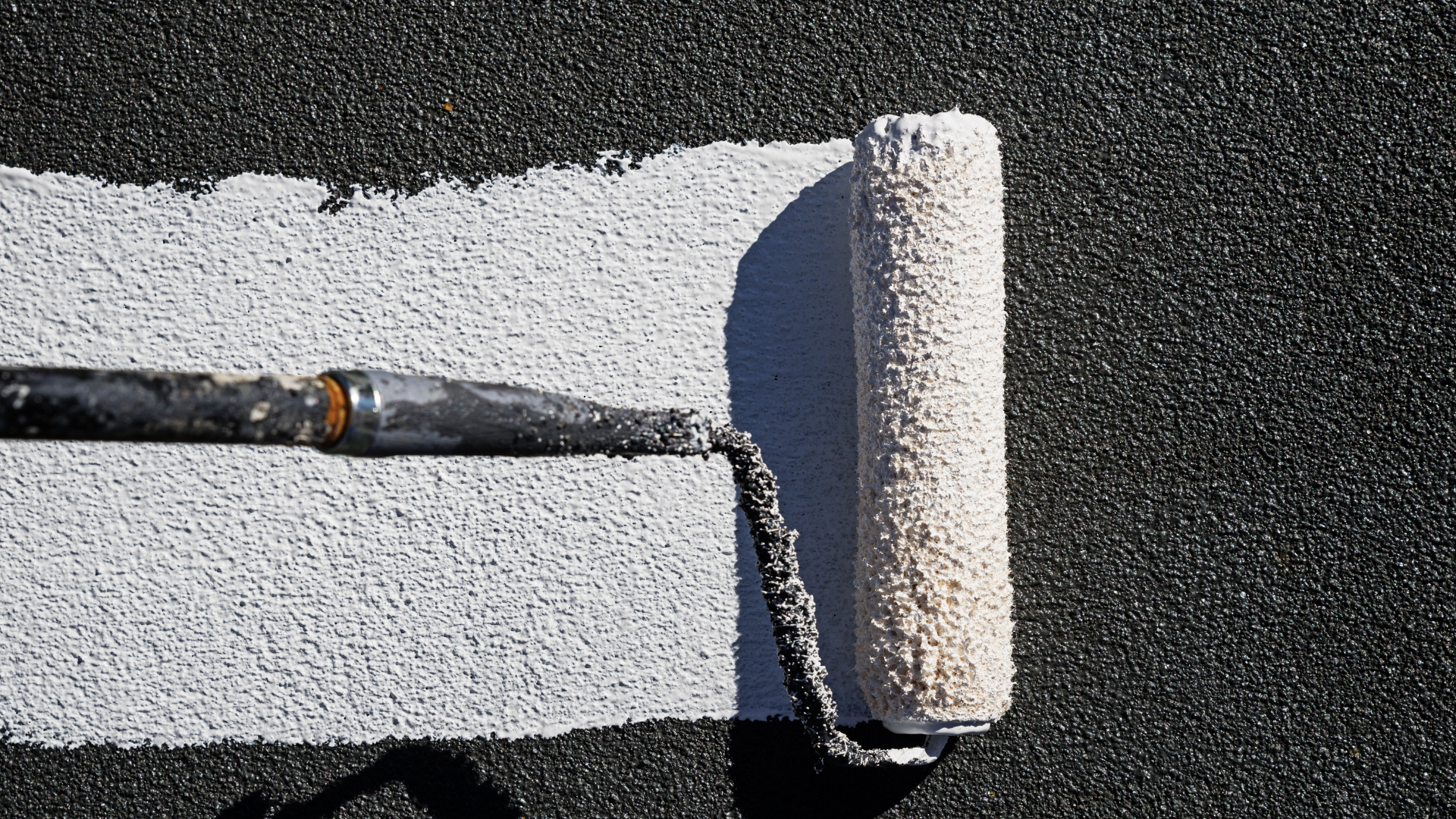
A commercial roof coating will help protect your roof from all kinds of environmental threats. While a commercial roof coating is often a great alternative to a roof replacement, it is not always the best answer. There are several types of commercial roof coatings. What works best for one roof might not be a good choice for another roof.
A good roof coating can also help your roof maintain a more constant temperature. Though there are many coatings to choose from, your options may change depending on which roofing system you have and your budget. Ultimately, no matter which coating option you choose, we will apply it to your roof efficiently and effectively, ensuring your roof will be better protected from the outdoors.
TPO
New Install and Repairs
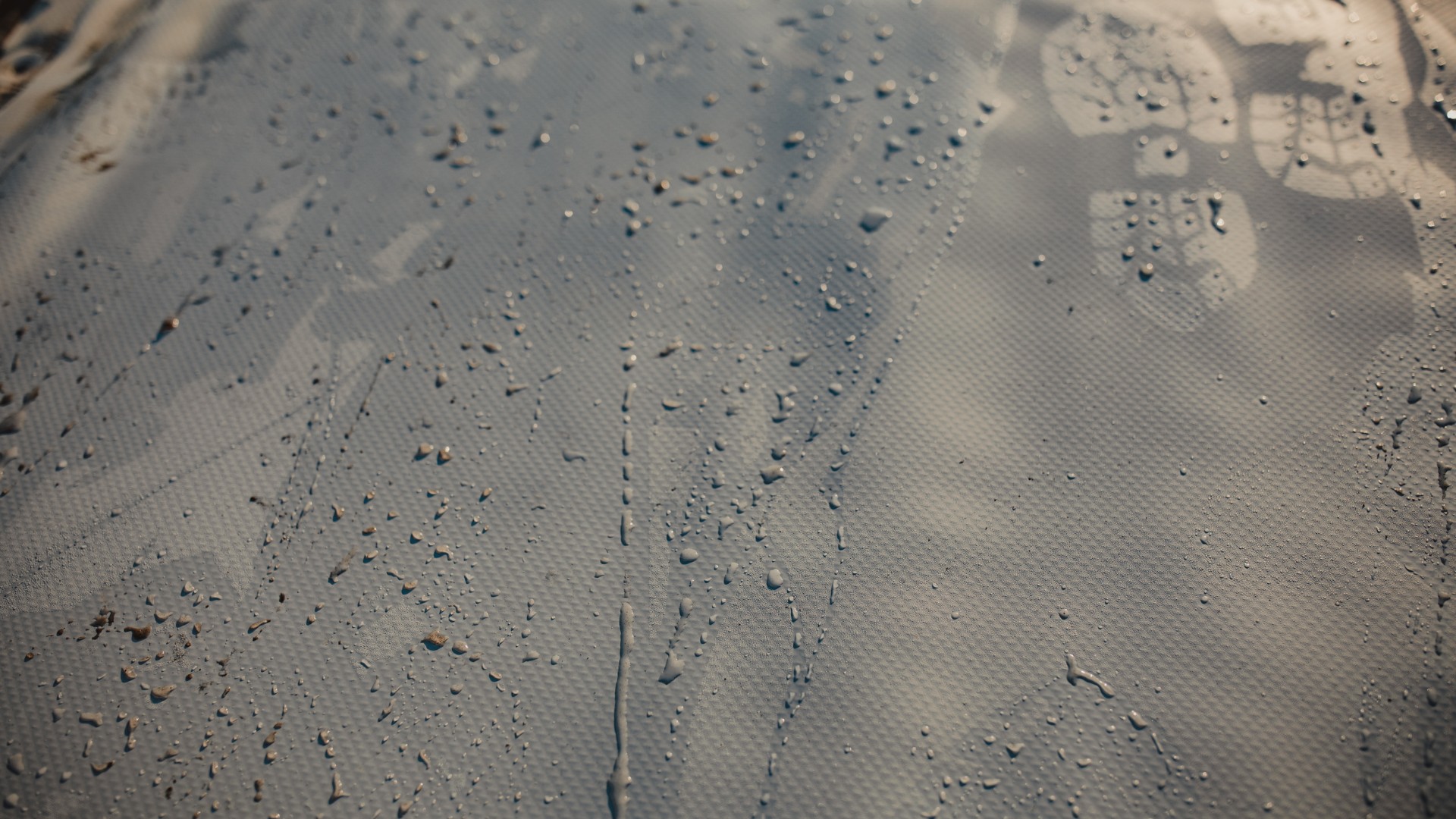
TPO stands for thermoplastic polyolefin, which is a material that is often used in roofing of all kinds. TPO is a single-ply, white membrane, making it more effective at reflecting heat than other membranes. This reflective property makes it a great option for any building in a high-heat environment as it can actually keep the rooms within the building cooler. TPO is also waterproof, making it a great option for roofs that are flatter, since water won’t naturally run off of a flat roof. Whether you need your TPO membrane freshly installed or repaired, Advanced can handle it.
EPDM
Repairs
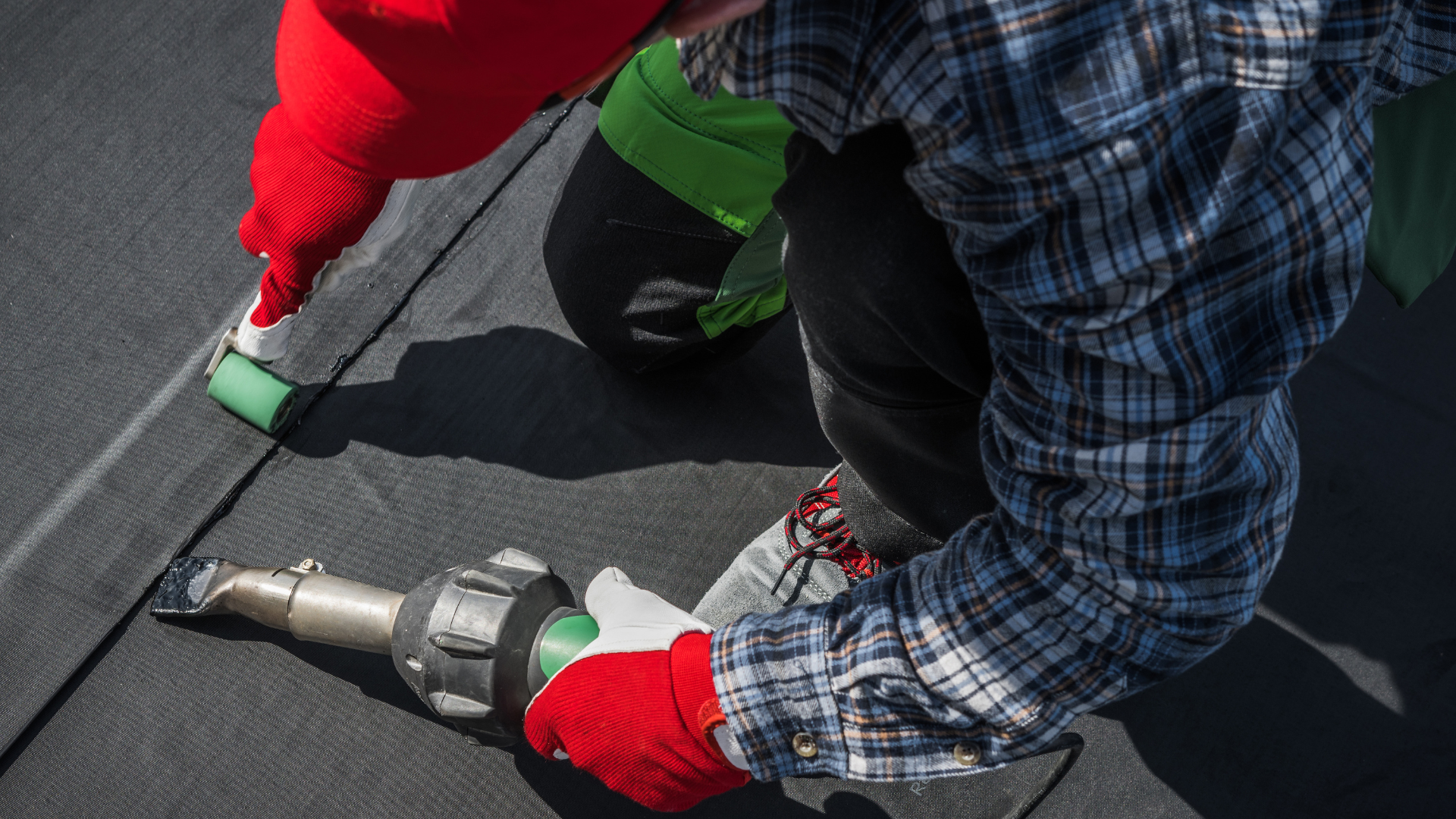
EPDM stands for ethylene propylene diene terpolymer and it is a highly durable synthetic rubber roofing membrane. It’s earned its reputation as being an extremely resistant roofing membrane due to its ability to handle nearly any weather condition. This roofing membrane is known to be resistant to wind, rain, hail, and extreme temperatures, making it a good option to use in nearly any environment. Even though this material is known to last for a long time, it still might need to get touched up once in a while. If you currently have an EPDM membrane on the roof of your business, then it might be a good idea to get it checked to see if it needs repairs. Our team can get up there and take a look to see if it needs an update, and if it does, we can repair your EPDM membrane quickly and effectively, ensuring that you’ll get many more years of use out of it.
Modified Bitumen
Repairs
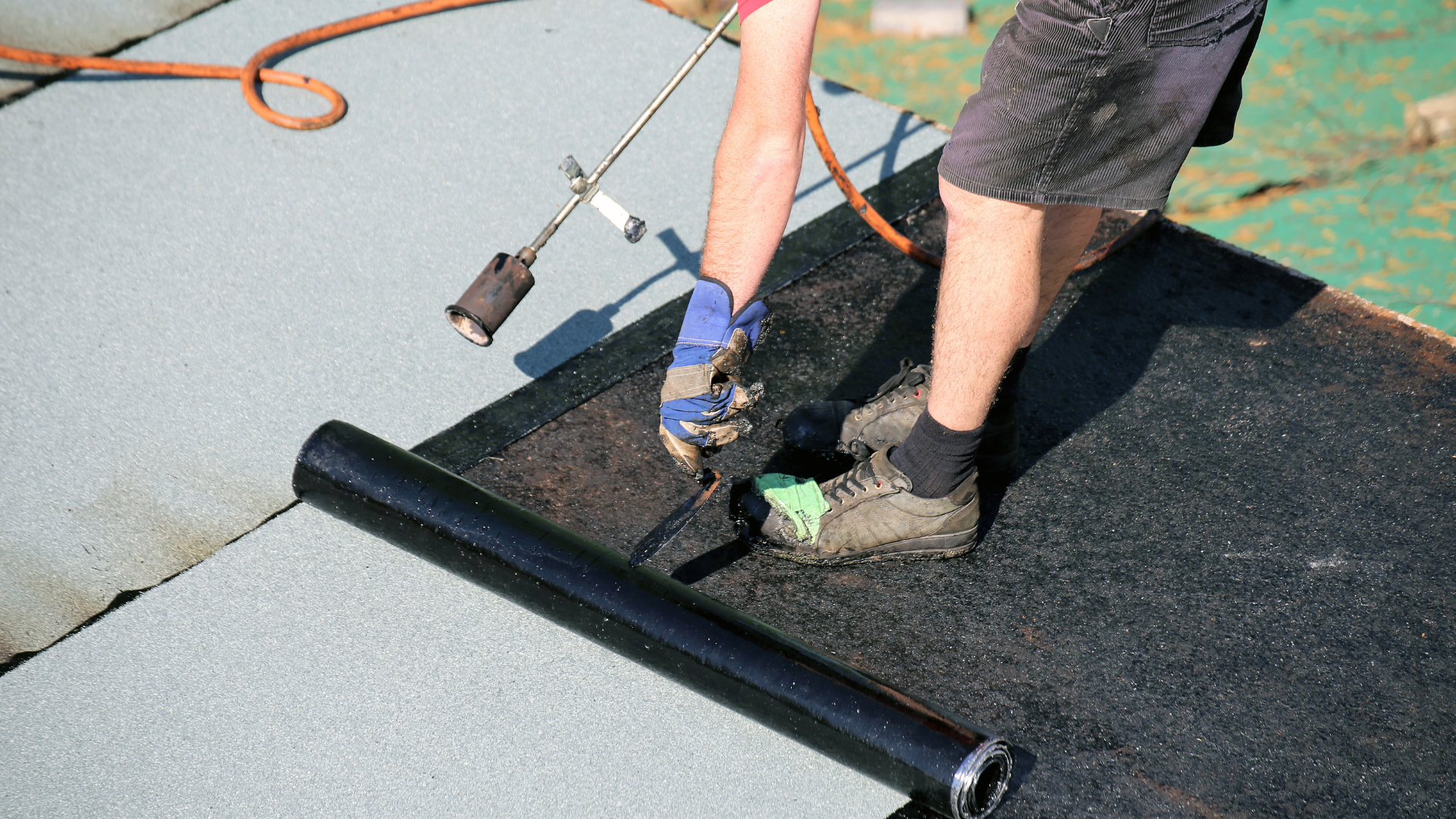
Modified bitumen is another type of roofing membrane that is often used on flat roofs. These kinds of roofing membrane are made with 2-3 layers to offer commercial roofs an extremely durable layer of protection against the elements. With the ability to withstand wind, rain, snow, hail, and extreme temperatures, this roofing membrane can help keep your business safe. However even this durable roofing membrane can sustain damage over time. If it ever does, you can count on our team to find the damaged spots and patch them up in no time.
Let Advanced Be Your Commercial Roofing Contractor in and Around Huntsville, AL:
At Advanced, we support our customers from start to finish, no matter the size of the job. We know it can be difficult to deal with roof problems, especially when it pertains to a commercial entity. We’re here to solve the problem and make it a stress-free process. Contact our office at 256-603-9171 for more information about commercial roofing or to get your free commercial roofing estimate!
Commercial Roofing FAQs
There are a wide array of factors that can influence the cost of a commercial roofing project. The square footage of your roof, the materials it would need to be repaired and its complexity can all affect the cost of a roofing job. To get an idea of how much your particular repair job would cost, contact us and we’ll assess your roof to give you an estimate.
If you start to see signs of damage, leaks, missing shingles, etc, it may be time to call Advanced to evaluate your roof. All of these problems can turn into major issues if left untouched for a long period of time. There are some problems that only a roofing professional will be able to notice. Once you get a member of our team on the scene, they will work to diagnose the problems with your roof and help you figure out if you need to replace or repair your roof.
Yes we can. Our team can help you navigate making an insurance claim and the
process that follows. We have experience dealing with countless insurance agencies and we are familiar with the ins and outs of filing a claim and working through the claim once it has been filed, including the communication and paperwork required along the way.
Commercial Roofing Resources
Planning commercial work? See our project pages for warehouse roof replacement and church roof replacement, plus guides on flat-roof load limits and protecting your Alabama business.
More commercial reading: where commercial roofing is heading, flat-roof snow removal, UV impact on flat roofs, and flat-roof houses.