
Energy efficient roofing in Alabama is more than a buzzword. It’s a practical way to lower your power bills, improve home comfort during brutal summer heat, and reduce strain on your air conditioning system year after year.
If you live in Huntsville, Madison, or anywhere across North Alabama, you already know what 95-degree July afternoons feel like inside a home with a dark roof and a hot attic. Your AC runs constantly, your energy bills climb, and upstairs bedrooms turn into saunas. The good news is that energy efficient roofing can work for you instead of against you when you choose the right materials and design.
What Is Energy Efficient Roofing in Alabama?
Energy efficient roofing refers to roof systems designed to reflect more sunlight and absorb less heat than traditional dark shingles or metal panels. In the quest for more comfortable and cost-effective homes, cool roofs have become a practical solution for Alabama homeowners. By reflecting sunlight and minimizing heat absorption, a well-designed cool roof can dramatically lower attic temperatures, reduce the workload on your air conditioner, and cut your monthly energy bills during Huntsville’s sweltering summers.
The concept is straightforward. Standard asphalt shingles in dark colors (black, charcoal, dark brown) absorb most of the sun’s energy and transfer that heat into your attic. A cool roof uses light-colored or specially coated materials that bounce much of that solar energy back into the atmosphere. The result is a cooler attic, less heat moving into your living spaces, and an HVAC system that doesn’t have to fight as hard to maintain comfortable temperatures.
Energy efficient roofing isn’t just about color. It also involves selecting materials with high solar reflectance and thermal emittance ratings, ensuring proper attic ventilation, and pairing your roof with adequate insulation. When done right, these upgrades work together to create a roof system that performs efficiently in Alabama’s hot, humid climate. For more details on how energy efficient roofing systems work in real-world conditions, explore cool roof solutions in Huntsville that reflect heat away from your home.
How Reflective Roofs Save You Thousands
Reflective roofs reduce cooling costs by keeping your attic and living spaces cooler. When your attic temperature drops by 20 or 30 degrees on a summer afternoon, your air conditioner doesn’t cycle on as often. That translates directly into lower electricity use and smaller monthly bills.
Even a 10 to 15 percent reduction in cooling costs adds up fast over several Alabama summers. If your average summer power bill is $200 per month and a cool roof cuts that by 12 percent, you save roughly $24 each month during the cooling season. Over a 20-year roof lifespan, that’s thousands of dollars back in your pocket, not to mention the extended life of your HVAC equipment when it’s not overworked.
The science behind these savings is simple. Cool roofs have high solar reflectance, meaning they reflect a large percentage of incoming sunlight instead of absorbing it. They also have high thermal emittance, which allows them to release absorbed heat quickly. The U.S. Department of Energy explains that these properties can lower roof surface temperatures by 50 degrees or more compared to standard roofing materials. That cooling effect cascades down into your attic and eventually into your home’s interior, easing the burden on ductwork, insulation, and cooling systems.
Beyond monthly savings, reflective roofs can reduce wear and tear on your HVAC system. When your air conditioner doesn’t have to battle extreme attic heat, it runs more efficiently and lasts longer. Fewer repairs and a delayed replacement timeline add to the long-term financial benefits of energy efficient roofing in Alabama.
Best Energy Efficient Roofing Options for North Alabama
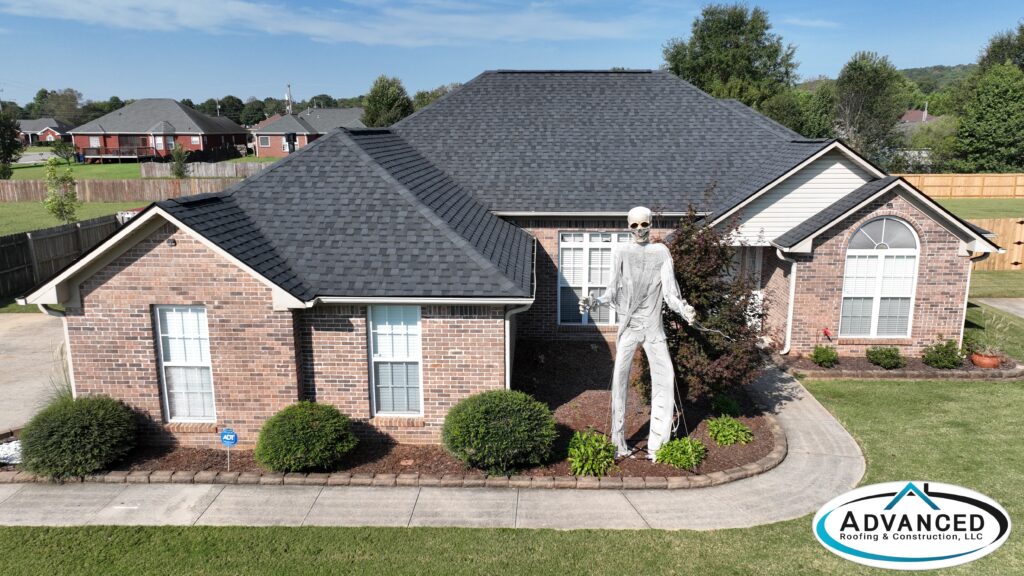
Several roofing materials perform well in Alabama’s climate when you prioritize efficiency. Here are the most common energy efficient roofing options for homeowners in Huntsville, Madison, and Decatur:
- Light-Colored Asphalt Shingles: Traditional asphalt shingles in white, tan, or light gray reflect more sunlight than dark options. They’re affordable, widely available, and familiar to most roofers. While not as reflective as some specialty products, they still offer a noticeable improvement over black or dark brown shingles.
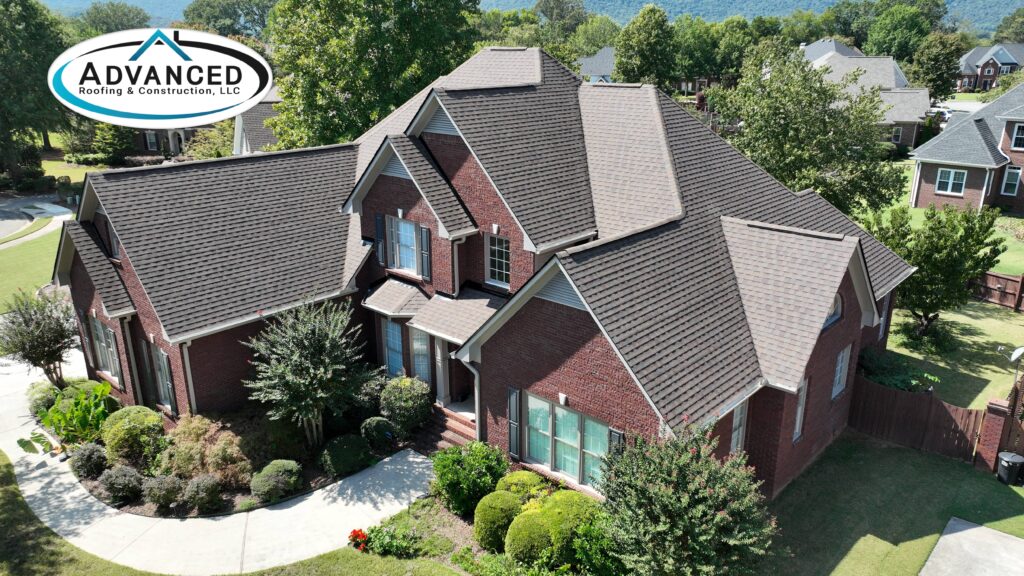
- ENERGY STAR Shingles: These shingles meet strict solar reflectance and thermal emittance standards set by the ENERGY STAR program. ENERGY STAR shingles Alabama homeowners install often feature reflective granules that boost performance without changing the look of a traditional roof. They’re a solid middle ground between standard shingles and premium cool roofing options.
- Metal Roofing: Metal roofs, especially those with factory-applied reflective coatings, excel at reflecting sunlight and shedding heat. They’re durable, long-lasting, and low-maintenance. Light-colored or bare metal finishes perform best for energy efficiency, though even darker metal roofs with cool pigments outperform standard dark asphalt.
- Reflective Roof Coatings: Applied over existing roofs, these coatings can turn an older roof into a cooler one without a full replacement. We’ll cover coatings in more detail below.
Each material has trade-offs. Asphalt shingles are budget-friendly but may not last as long as metal. Metal roofs cost more upfront but can outlast two or three asphalt roofs. ENERGY STAR products balance cost and performance for many homeowners. Your choice depends on your budget, home style, and how long you plan to stay in the house.
When comparing energy efficient roofing options, look for products with high solar reflectance index (SRI) values and check if they qualify under ENERGY STAR roofing product criteria. These standards ensure the materials you’re considering actually deliver measurable energy savings in real-world conditions.
Reflective Roof Coatings and Retrofits
Reflective roof coatings offer a way to improve efficiency without tearing off your existing roof. These liquid-applied coatings, usually white or light gray, bond to asphalt shingles, metal panels, or other roofing surfaces to create a reflective barrier. Once cured, they reflect sunlight and reduce heat absorption just like a new cool roof.
Coatings work best on roofs in decent condition. If your shingles are curling, cracked, or nearing the end of their lifespan, a coating won’t fix structural problems. But if your roof has 10 or more years of life left and you want to boost efficiency, reflective roof coatings in North Alabama can be a cost-effective upgrade.
The application process is relatively straightforward. A qualified contractor cleans the roof, repairs any damaged areas, and applies the coating in one or more layers. The coating dries to form a seamless, reflective surface that protects the underlying materials while lowering surface temperatures.
One advantage of coatings is speed. You can often coat a roof in a day or two, avoiding the disruption of a full replacement. Another benefit is cost. Coatings typically cost a fraction of what you’d pay for new shingles or metal panels, making them attractive for homeowners on a budget or those planning to sell in a few years.
However, coatings aren’t a miracle fix. They require reapplication every 10 to 15 years, and they won’t add structural integrity to a worn-out roof. If your decking is damaged or your shingles are failing, you need a replacement, not a coating. Still, for the right roof, reflective coatings can extend its life and cut cooling costs at the same time.

Insulation, Ventilation, and Whole-Roof Efficiency
Cool roofing works best when paired with proper attic insulation and ventilation. A reflective roof keeps heat from entering your attic in the first place, but insulation stops any heat that does get in from moving into your living spaces. Ventilation lets hot air escape, preventing it from building up and overwhelming your insulation.
Roofing insulation in Huntsville often falls short of current building standards, especially in older homes. Many attics have only a few inches of blown-in fiberglass or cellulose, when modern codes recommend R-38 to R-49 for Alabama. Adding insulation is one of the most cost-effective ways to improve efficiency, and it complements a cool roof perfectly.
Ventilation is equally important. Ridge vents, soffit vents, and gable vents create airflow that removes hot, humid air from your attic. Without adequate ventilation, even a cool roof and thick insulation can struggle to keep your home comfortable. Make sure your attic has balanced intake and exhaust ventilation to maximize efficiency.
Simply painting your roof white or choosing light shingles isn’t enough on its own. Energy efficient roofing in Alabama requires a systems approach. The roof, insulation, and ventilation work together to create a comfortable, cost-effective home. Skimping on any one component weakens the entire system and limits your savings.
Rebates, Incentives, and Long-Term ROI for Energy Efficient Roofing
Some homeowners qualify for rebates or incentives when they upgrade to energy efficient roofing. While Alabama doesn’t have a statewide cool roof rebate program, certain utilities and federal tax credits may apply depending on the materials you choose and your specific circumstances.
For example, ENERGY STAR shingles and metal roofs sometimes qualify for tax credits or utility rebates. Check with your local power provider to see if they offer incentives for home improvements that reduce electricity use. Some utilities provide bill credits or discounts for customers who meet certain efficiency standards.
Even without rebates, the return on investment for cool roofing is strong. Lower energy bills, reduced HVAC maintenance, and a longer-lasting roof all contribute to savings over time. When you factor in potential resale value, energy efficient roofing upgrades often pay for themselves within 10 to 15 years, and they keep delivering benefits for decades after that.
The financial case for reflective roofs gets even stronger when you consider avoided costs. Fewer AC repairs, delayed HVAC replacement, and lower peak-demand charges during summer months all add to your bottom line. Over a 20 or 25-year roof lifespan, these combined savings can easily reach into the thousands of dollars.
When to Call a Local Expert
Not every roof needs a reflective upgrade right away, but certain signs suggest it’s time to have a conversation with a local roofer. If your attic feels like an oven on summer afternoons, if your power bills spike every June through September, or if your roof is more than 15 years old and showing visible wear, it’s worth getting a professional assessment.
A qualified contractor can evaluate your current roof condition, measure attic temperatures, and recommend the most cost-effective path forward. Sometimes a reflective coating makes sense. Other times, a full replacement with energy efficient roofing materials in Huntsville delivers better long-term value.
Look for a roofer who understands cool roofing principles and can explain how different materials and designs will perform in Alabama’s climate. Ask about solar reflectance values, thermal emittance ratings, and how the roof will integrate with your attic insulation and ventilation. A good contractor will take the time to educate you, not just sell you the most expensive option.
Ready to Lower Your Power Bill?
Energy efficient roofing in Alabama isn’t a luxury. It’s a smart investment that pays dividends every summer when your AC runs less and your power bills stay under control. Whether you choose light-colored shingles, ENERGY STAR products, reflective metal, or a cool roof coating, you’re taking a step toward a more comfortable, cost-effective home.
If you’re ready to explore your options, schedule a free roof efficiency inspection with a local expert who understands North Alabama’s climate and building conditions. A cooler attic, lower energy bills, and a roof that works with you instead of against you are all within reach.
Energy efficient roofing uses reflective materials that bounce sunlight away instead of absorbing it. This keeps your attic cooler, reduces the load on your air conditioner, and lowers your energy bills during Alabama’s hot summers. Cool roofs, ENERGY STAR shingles, and reflective coatings all fall into this category.
Some utilities offer rebates or incentives for energy-saving home upgrades, including ENERGY STAR roofing materials. Check with your local power provider to see what programs are available. Federal tax credits may also apply depending on the products you choose and current tax law.
Savings vary based on your home size, current roof condition, and energy use, but many homeowners see a 10 to 15 percent reduction in cooling costs. Over a 20-year roof lifespan, that can add up to thousands of dollars in lower power bills and reduced HVAC maintenance.
Reflective roof coatings can be a cost-effective option if your roof still has at least 10 years of life left. They improve efficiency without the expense of a full replacement, but they won’t fix structural damage or failing shingles. Get a professional inspection to see if coatings make sense for your roof.
The best material depends on your budget and goals. Light-colored asphalt shingles are affordable and effective. ENERGY STAR shingles offer proven performance. Metal roofs with reflective coatings last longer and reflect more heat. A local roofer can help you weigh the pros and cons for your specific situation.