
Attic Ventilation & Roof Energy Efficiency in Huntsville: Lower Your Cooling Bills
Alabama summers turn attics into ovens, and poor roof ventilation Huntsville Alabama homeowners deal with can spike cooling bills by hundreds of dollars each year. Effective roof ventilation systems paired with smart insulation and reflective roofing materials create real energy savings while protecting your roof from premature aging caused by trapped heat and moisture.
If your AC runs nonstop during 95-degree July afternoons, inadequate roof ventilation might be failing. Most Huntsville homes built before current codes lack the balanced airflow needed to handle North Alabama’s intense heat and humidity.
Why Roof Ventilation Matters in Alabama’s Climate
Huntsville sits in a zone where summer temperatures regularly hit the mid-90s with crushing humidity. Without proper attic ventilation North Alabama contractors recommend, your attic can reach 150 degrees or higher. That extreme heat radiates through ceiling insulation, forcing your AC to work overtime just to maintain comfortable indoor temperatures.
I’ve walked through hundreds of Madison and Decatur attics during summer, and the temperature difference between proper roof ventilation and poor airflow is dramatic. Well-vented attics run 30 to 50 degrees cooler than those without adequate ventilation systems.
According to Energy.gov research on attic air sealing and insulation, balanced roof ventilation allows continuous airflow from soffit vents at eaves up through ridge vents at the peak. This natural convection exhausts hot air while drawing cooler outside air through soffits, preventing dangerous heat buildup that damages roofing materials.
How Poor Ventilation Damages Roofs
Heat isn’t the only problem. Alabama humidity creates moisture issues in poorly vented attics. Trapped humid air condenses on cooler surfaces, causing rotted decking, mold growth, accelerated shingle aging, and reduced insulation performance. The Department of Energy notes proper roof ventilation combined with adequate insulation extends roof lifespan by 10 to 15 years while cutting cooling costs 20 to 40 percent.
Understanding Ventilation Systems for North Alabama Homes
Energy efficient roofing Huntsville professionals install starts with the right ventilation setup. The most effective systems use a combination of intake vents low on the roof and exhaust vents at or near the peak.
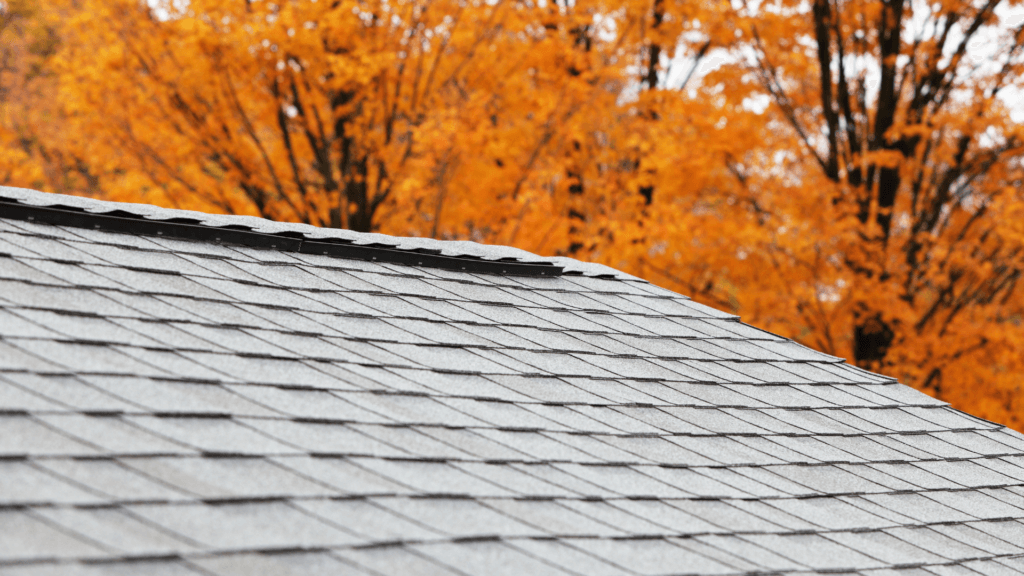
Ridge Vents These run along the entire roof peak, providing continuous exhaust ventilation. Ridge vents work with the natural rise of hot air, allowing it to escape at the highest point of your attic. When paired with adequate soffit vents, ridge vents create the balanced airflow your attic needs.
Soffit Vents Located under the eaves where your roof overhangs the exterior walls, soffit vents allow fresh outside air to enter the attic. Continuous perforated soffit material works better than individual vent panels because it provides consistent intake across the entire roof edge.
Gable Vents Older Huntsville homes often have triangular vents in the gable ends. While these provide some ventilation, they don’t create the same effective airflow pattern as ridge and soffit combinations. However, they can supplement other ventilation methods.
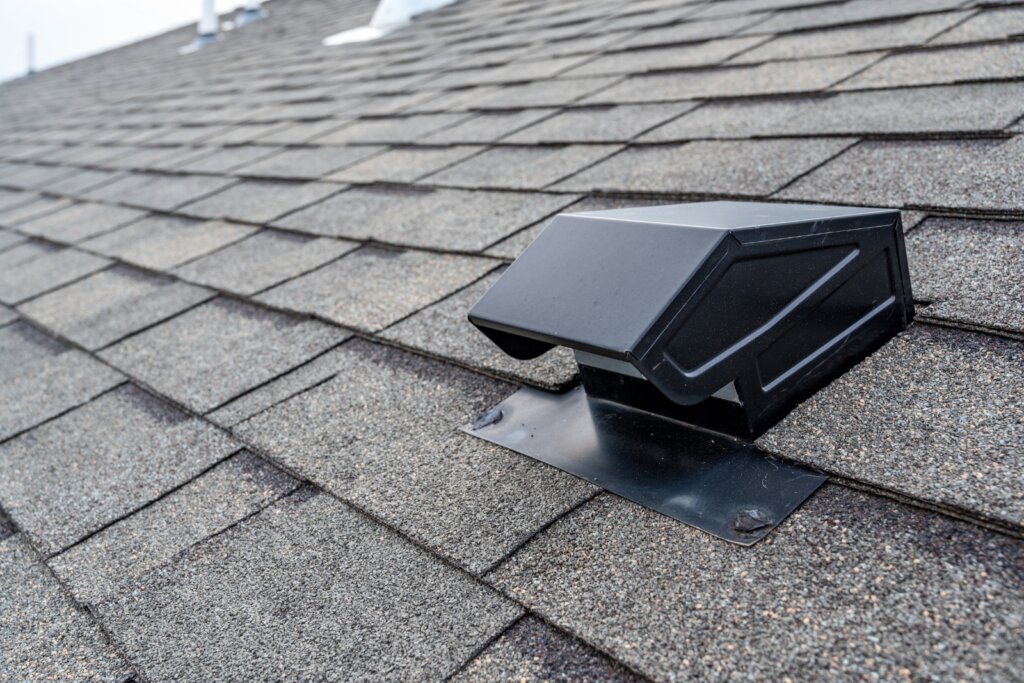
Power Attic Fans These electric fans exhaust hot air but require proper intake ventilation to work effectively. Without adequate soffit vents, power fans can pull conditioned air from your living space through ceiling penetrations, actually increasing cooling costs.
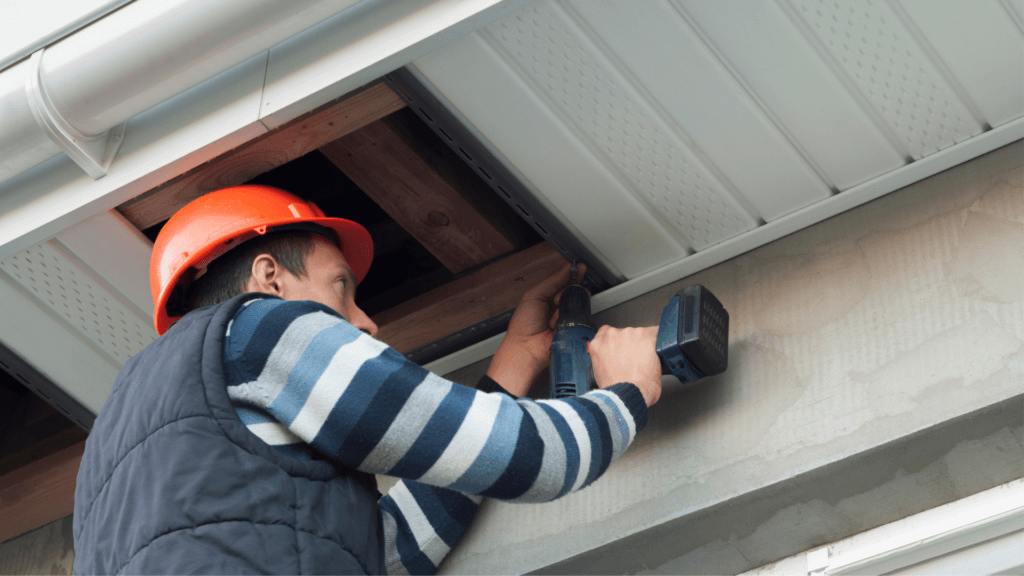
Building codes require one square foot of ventilation per 150 square feet of attic space, or one per 300 with vapor barriers and balanced intake/exhaust.
Here’s how conditions change with proper roof ventilation:
| Condition | Poor Ventilation | Proper Ventilation |
|---|---|---|
| Peak Summer Attic Temp | 150-160°F | 100-110°F |
| Ceiling Heat Transfer | High (constant) | Reduced 40-50% |
| Shingle Surface Temp | 170-180°F | 130-140°F |
| Annual Cooling Cost | Baseline | 20-30% lower |
| Roof Lifespan | 15-18 years | 25-30 years |
Ridge Vent Installation Cost
Ridge vent installation cost runs $400 to $1,200 for average Huntsville homes. This includes removing ridge shingles, cutting roof decking for vent openings, installing the roof ventilation product, and capping with ridge shingles. The investment pays back through energy savings in two to three years.
On typical 2,000-square-foot North Alabama homes, improved roof ventilation cuts cooling costs $300 to $600 annually. Adding continuous soffit vents costs another $800 to $2,000 if retrofitting enclosed soffits. For best results, pair with attic insulation for max energy savings in Madison AL.

Cool Roof Systems and Reflective Materials
Cool roof systems Alabama contractors install complement proper ventilation by reflecting solar heat rather than absorbing it. Traditional dark asphalt shingles absorb 80 to 90 percent of solar radiation, while cool roof products reflect 50 to 80 percent.
Reflective Shingles Modern architectural shingles now come with reflective granules that meet Energy Star requirements for cool roofs. These shingles cost only 10 to 15 percent more than standard products but can reduce roof surface temperatures by 20 to 30 degrees.
Metal Roofing Metal roofs with factory-applied reflective coatings excel at reducing attic heat Huntsville homeowners struggle with during summer. Light-colored metal roofs reflect up to 70 percent of solar energy while lasting 40 to 50 years with minimal maintenance.
Radiant Barriers Installing radiant barrier sheathing or foil-faced insulation in your attic blocks radiant heat transfer from the hot roof deck to your insulation and living space below. When combined with proper ventilation, radiant barriers can reduce attic heat gain by an additional 20 to 30 percent.
TheEPA’s cool roofs program provides detailed guidance on selecting reflective roofing materials appropriate for hot, humid climates like ours here in Alabama.
Moisture Control and Insulation
Reducing attic heat protects structures and indoor air quality. In Huntsville’s humidity, ventilation keeps air moving to prevent moisture accumulation and mold growth. Bathroom and kitchen fans must vent outside, never into attics.
Proper ventilation helps shingles last longer by preventing excessive heat that accelerates oil loss, causing brittleness and premature granule loss. The Department of Energy recommends R-49 insulation for Alabama attics. Most older homes have only R-19 to R-30. Adding blown-in insulation costs $1.50 to $2.50 per square foot but delivers immediate comfort and long-term savings.
Baffles between rafters prevent insulation from blocking soffit vents while maintaining required air gaps.
Insulation’s Role in Energy Efficiency
Ventilation works hand-in-hand with insulation. The Department of Energy recommends R-49 insulation for attics in Alabama’s climate zone. Most older homes have only R-19 to R-30, leaving significant room for improvement.
Adding blown-in cellulose or fiberglass insulation to reach R-49 costs about $1.50 to $2.50 per square foot but delivers immediate comfort improvements and long-term energy savings. The key is maintaining a clear air channel between the insulation and roof deck so ventilation air can flow freely.
Baffles installed between rafters prevent insulation from blocking soffit vents while maintaining the required air gap. Without proper baffles, loose-fill insulation can settle against the roof deck and block airflow from soffit vents.
Signs You Need Ventilation Improvements
Walk through your home and look for these warning signs that indicate ventilation problems:
- Extremely hot second-floor rooms during summer months despite running the AC constantly
- Visible moisture stains on attic framing or roof decking
- Frost or ice buildup on attic surfaces during winter
- Curling or cupped shingles on south and west-facing roof slopes
- Mold or mildew odors coming from ceiling registers
- Peeling paint on exterior soffits and eaves
- Higher than normal electricity bills during cooling season
- Premature shingle deterioration with excessive granule loss
If you notice any of these issues, having a qualified roofer inspect your attic ventilation system should be your next step. Many ventilation problems have straightforward solutions that deliver immediate benefits, and you canlearn signs of failing roof vents in Huntsville to understand what repairs might be needed.
Conclusion
Proper roof ventilation Huntsville Alabama homeowners invest in delivers lower cooling costs, extended roof life, and improved comfort. Combining ridge and soffit vents, adequate insulation, and reflective materials cuts cooling costs hundreds of dollars yearly while protecting against heat and moisture damage. Quality roof ventilation is one of the smartest investments you can make in your home’s energy efficiency.
Don’t let another Alabama summer turn your attic into an oven. Contact us through Advanced Alabama’s Huntsville roofing service areas today to schedule a free roof ventilation assessment and transform your home’s energy efficiency.
Professional ridge vent installation for roof ventilation Huntsville Alabama homes need typically costs $400 to $1,200 depending on your roof size and complexity. Adding soffit vents if needed runs another $800 to $2,000. Most homeowners recoup this investment through energy savings within three years.
Yes, many ventilation improvements work with existing roofs. You can add gable vents, install power attic fans with proper intake ventilation, or retrofit continuous soffit vents without touching your shingles. A ventilation assessment determines the best options for your specific situation.
Energy efficient roofing Huntsville contractors recommend combines proper ventilation with reflective shingles or metal roofing. Cool roof shingles with reflective granules cost only slightly more than standard products but reduce surface temperatures significantly. Pair any cool roof system with R-49 attic insulation for maximum savings.
Most ridge vent installations complete in one day. The process involves removing ridge shingles, cutting the roof deck, installing the vent product, and capping with new ridge shingles. Weather permitting, your roof remains watertight throughout the process.
Absolutely. Proper ventilation systems reduce peak attic temperatures by 30 to 50 degrees compared to poorly vented spaces. This dramatic temperature reduction means less heat transfers into your living areas and your AC runs far less frequently during hot Alabama afternoons.