




Understanding the Risks of Neglected Roof Maintenance
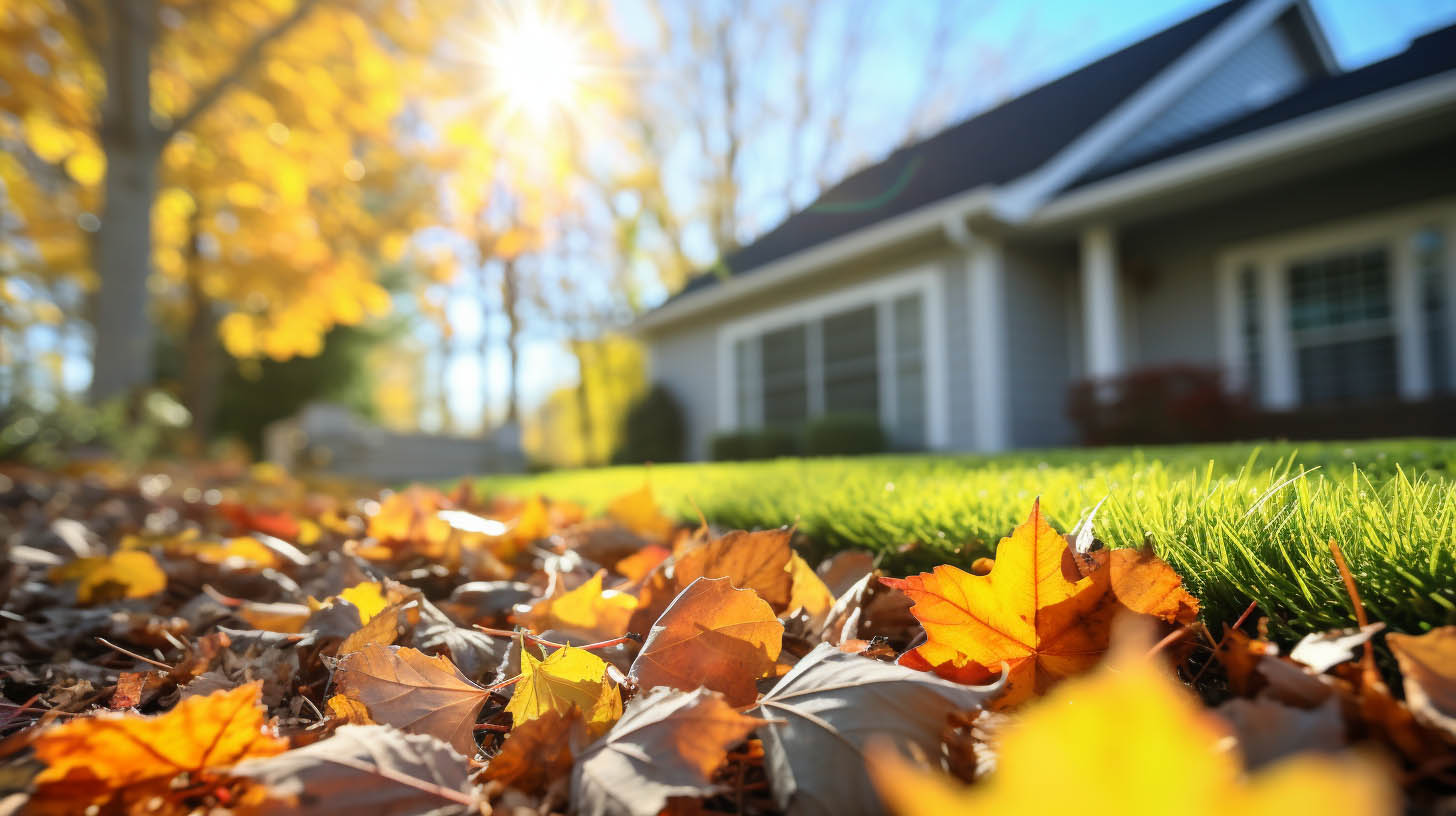
Neglecting roof maintenance, especially in the fall, can lead to significant issues. Dead leaves, if not removed, can decay and trap moisture against roof shingles, creating an ideal environment for mold, algae, and wood rot. This not only compromises the structural integrity of your roof but also affects the overall health of your home. Advanced Roofing & Construction, LLC emphasizes the importance of regular roof cleaning to prevent these problems.
Schedule Your Roof Inspection Now
How Often Should You Remove Leaves from Your Roof?
How often one should remove leaves from their roof depends on a few factors for the homeowners. First, the season in swing plays a huge role; fall is, naturally, the big season of leaves. During peak fall, we recommend removing leaves at least every 2 weeks to prevent excess buildup. This frequency of cleaning is especially true if your roof is surrounded by a number of trees. Other seasons will, on average, require less frequent leaf removal allowing you to scale back your maintenance schedule.
That said, following a major storm in any season, such as a hurricane or tornado, you’ll be best served by checking, then cleaning any leaves/subsequent debris that was tossed around. These storms not only move a tremendous amount of leaves/sticks around, but often are accompanied with a large quantity of rainfall, which creates quite the damaging combo for a roof.
Effective Methods for Leaf Removal
Choosing the Right Tools
Selecting the appropriate tool for leaf removal depends on your roof’s pitch and your comfort level. For low-pitched roofs, a strong blower is sufficient to clear off leaves. However, for high-pitched roofs, a roof rake or a broom with an extension pole is more effective. These tools ensure that you can safely and efficiently remove leaves without damaging your roof.
Long-Term Preventive Strategies
To minimize leaf accumulation, consider trimming tree branches that overhang your roof. This not only reduces leaf debris but also prevents insects, like carpenter ants, from accessing and damaging your roof. Regular tree maintenance is a proactive step towards extending the life of your roof.
The Necessity of Gutter Cleaning
Routine Cleaning Schedule
Gutters play a crucial role in roof maintenance. It’s essential to clean your gutters at least twice a year, in the fall and spring, to prevent clogging by leaves, pine needles, and other debris. For homes surrounded by many trees, more frequent cleaning might be necessary. Advanced Roofing & Construction, LLC, a leading roofing company in Huntsville AL, recommends this practice to ensure effective water drainage and roof longevity.
Gutter Guards: A Helpful Addition
While gutter guards can’t eliminate the need for cleaning, they do reduce the amount of large debris, making the cleaning process less labor-intensive. However, smaller debris like seeds and pine needles can still get through, so regular gutter maintenance remains important.
The Consequences of Neglect
Ignoring gutter and roof cleaning can lead to waterlogged leaves weighing down gutters, causing them to pull away from the house and potentially damaging the exterior. Improper drainage can also lead to water seeping under roof shingles, fostering mold and algae growth. These issues not only reduce the lifespan of your roof but can also lead to expensive repairs or replacements.
How Wet Leaves Damage Shingles
Wet leaves can lead fairly quickly to damaged shingles. For one, wet leaves provide extra weight against your gutters and roof. This puts undue stress on your roof, and in extreme cases can cause damage on its own. But perhaps more importantly, wet leaves trap a tremendous amount of moisture on your roof. Excess moisture is a significant problem for shingles, especially in humid climates like Alabama, when it causes shingle deterioration, moss/mold growth, and a quick reduction in proper shingle functionality. Shingle degradation and excess moisture on a roof are variables that quickly lead to leaks, which can further deteriorate the structure.
Leaf Damage in Valleys and Around Flashing
Certain roof features are more prone to leaf accumulation and subsequent damage/leaks than others. Valleys and areas near flashing are highlighted as features that will naturally accumulate the most debris and, as such, will require the most attention when performing maintenance. Valleys, being low points, and flashing, being around unique roof features, create situations that trap leaves and other debris. Often seen as the weakest roof points, if not maintained, flashing can fail while valleys can produce puddles that are prime to start leaks. Always be sure to incorporate checking valleys and around flashing when performing routine maintenance.
Professional Roof Inspections After Leaf Removal
Having a professional inspect your roof after leaf removal, especially large scale removals, is a great practice to fully understand if your roof is functioning well. Removing leaves and debris on their own is a must, but most homeowners will struggle to see any damage that accumulated leaves may have caused before removal. A professional roof inspection following leaf removal can take the uncertainty out of your roof’s health and address any problem shingles that may be compromising your protection as a whole. A damaged, leaking roof will lead to a series of additional problems down the road if not quickly addressed.
Conclusion: The Importance of Proactive Roof Maintenance
In summary, regular roof and gutter maintenance, including timely leaf removal, is crucial for the health and longevity of your roof. As a reputable roofer in Huntsville AL, Advanced Roofing & Construction, LLC advocates for proactive measures to prevent costly damage and ensure your roof remains in optimal condition year-round. Remember, taking care of your roof today can save you significant time and money in the future.
Tired of Cleaning Leaves Off the Roof Every Fall?
North Alabama’s oaks and sweetgums fill valleys and gutters twice a year. LeafBlaster Pro gutter guards end the ladder routine for good — and protect the fascia and decking underneath. Free quote from our Huntsville team: 256-603-9171.